From Kingville to the Next Generation
Preserving History • Sharing Stories • Building LegacyFeaturing The Mystery Behind the His-Tory & My Story of Kingville documentary series.
The Kingville Project is Stanly Avengers' flagship preservation initiative dedicated to documenting, preserving, and sharing the history of Kingville School, Kingville High School, and the surrounding community. Through oral histories, archival research, maps, photographs, documentary storytelling, and community engagement, we are preserving an important chapter of Stanly County history for future generations.
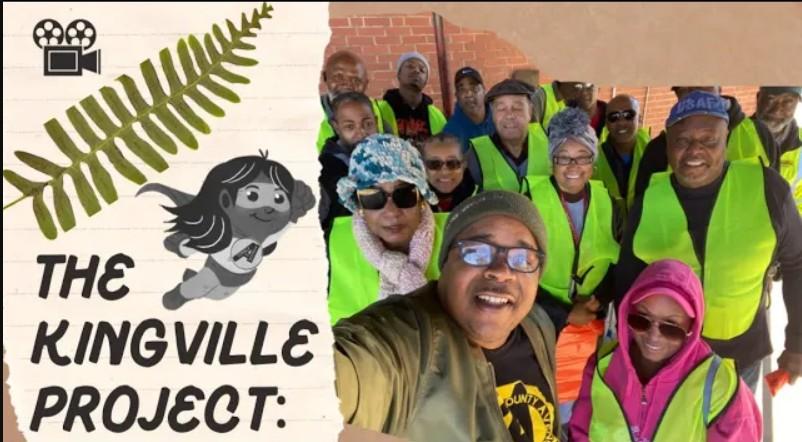
Every photograph, document, building, and personal story helps tell a larger story about who we are and where we come from. The Kingville Project exists to preserve the voices, achievements, and experiences of those who helped build this community—ensuring their contributions are remembered, celebrated, and shared with future generations. By connecting history to education, identity, and opportunity, we honor the past while empowering the future.
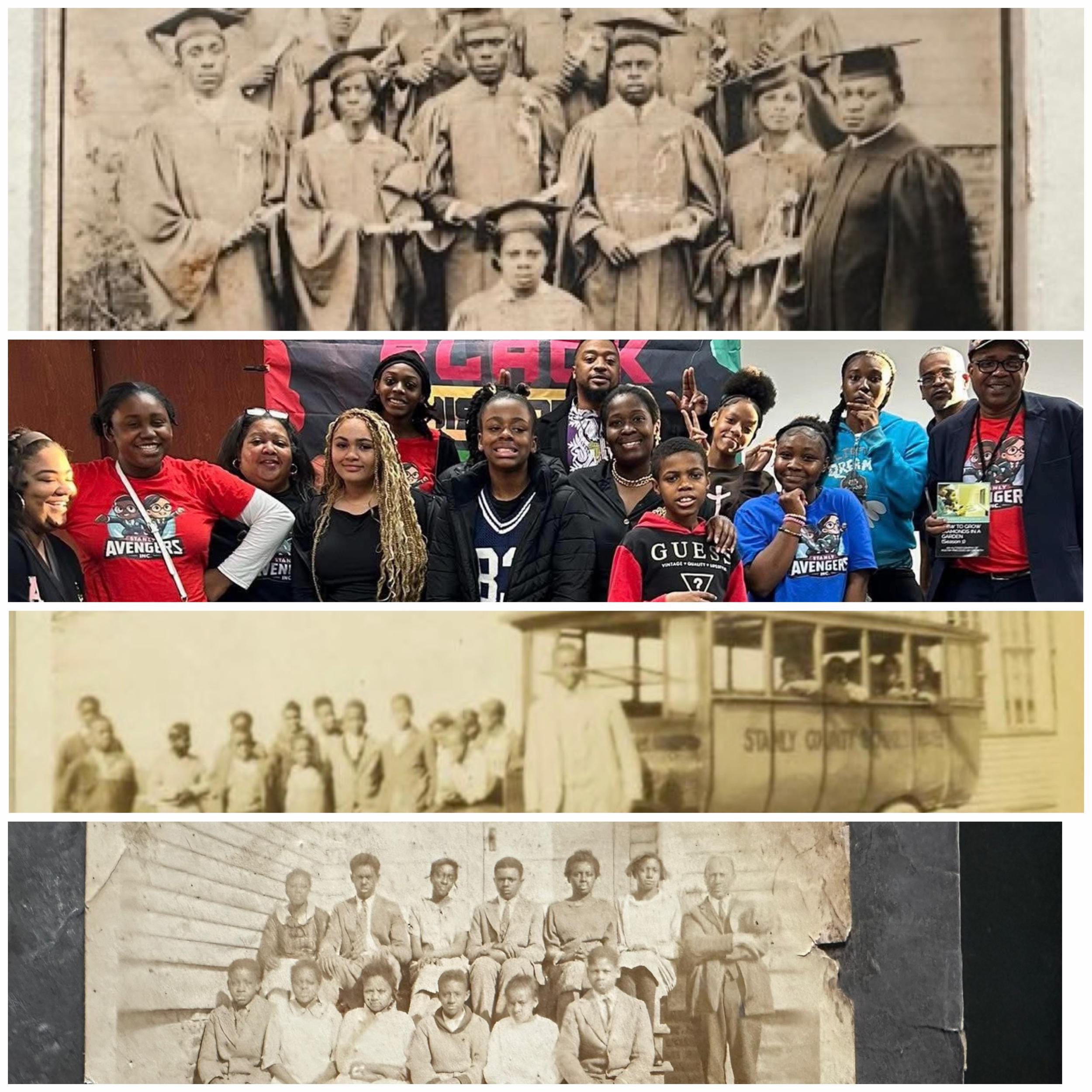



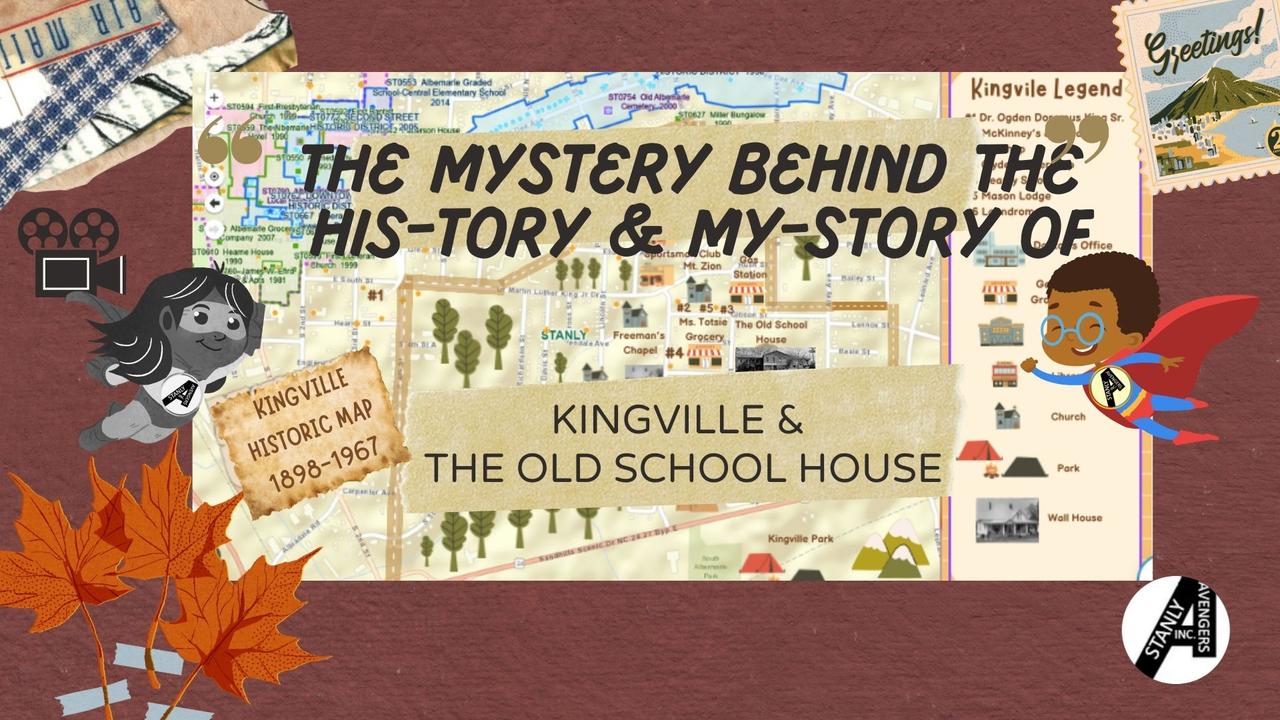
This series documents the true history of the Kingville community through the voices of those who lived it and the records that prove it. Each episode builds on the last, revealing how our first Black school system was created, challenged, erased in parts, and rebuilt through memory and evidence.

-
-
-
-
Following the closure of Kingville High School, Baxter K. Williams took a stand against the unfairness in principal assignments during the integration of schools in North Carolina. His legal actions were not just about his personal situation; they underscored the broader struggles that Black educators faced across the state during a tumultuous period of educational reform. Williams's commitment to justice and equity paved the way for significant discussions about racial equality in education, as he fought for the rights of both himself and his fellow educators. Through his challenges, Williams highlighted the systemic biases that continued to affect Black educators long after the formal end of segregation. His efforts brought attention to the need for accountability and fairness in employment decisions, emphasizing the importance of equitable treatment in educational leadership roles. Williams's journey stands as a testament to resilience and advocacy, inspiring future generations to continue the fight for justice in education.
-
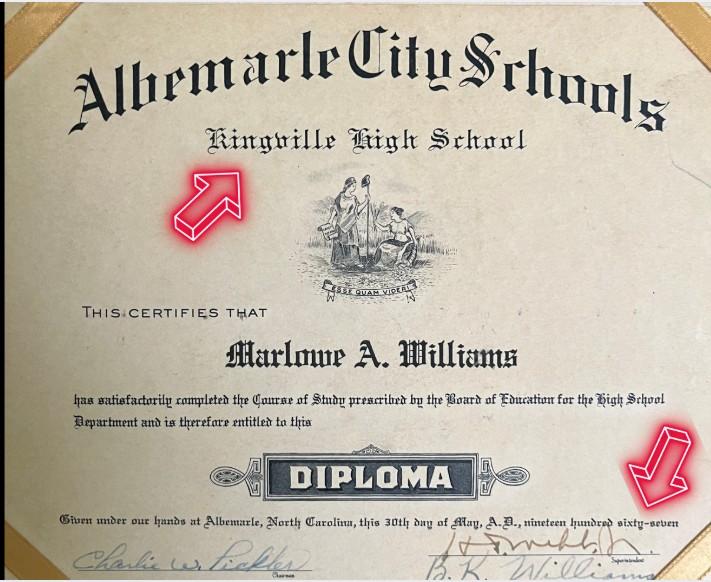
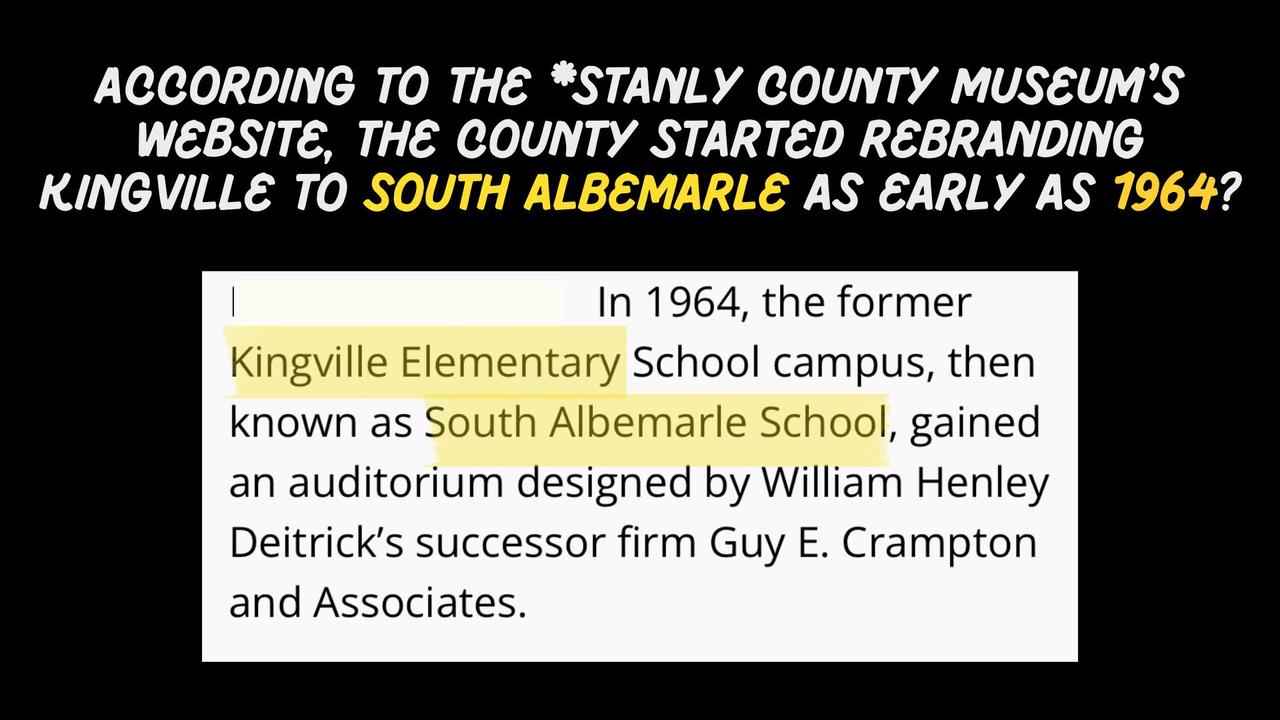
Although local newspaper coverage often referred to the Class of 1967 as graduates of South Albemarle High School, surviving diplomas issued to members of the graduating class tell a different story. Diplomas awarded in May 1967, including that of Marlowe A. Williams, were issued under the name Kingville High School, suggesting that the school's identity remained important to students and families even during the final year of operation. This distinction continues to raise questions about how the transition to integration was experienced and remembered by those who lived it.
-
-
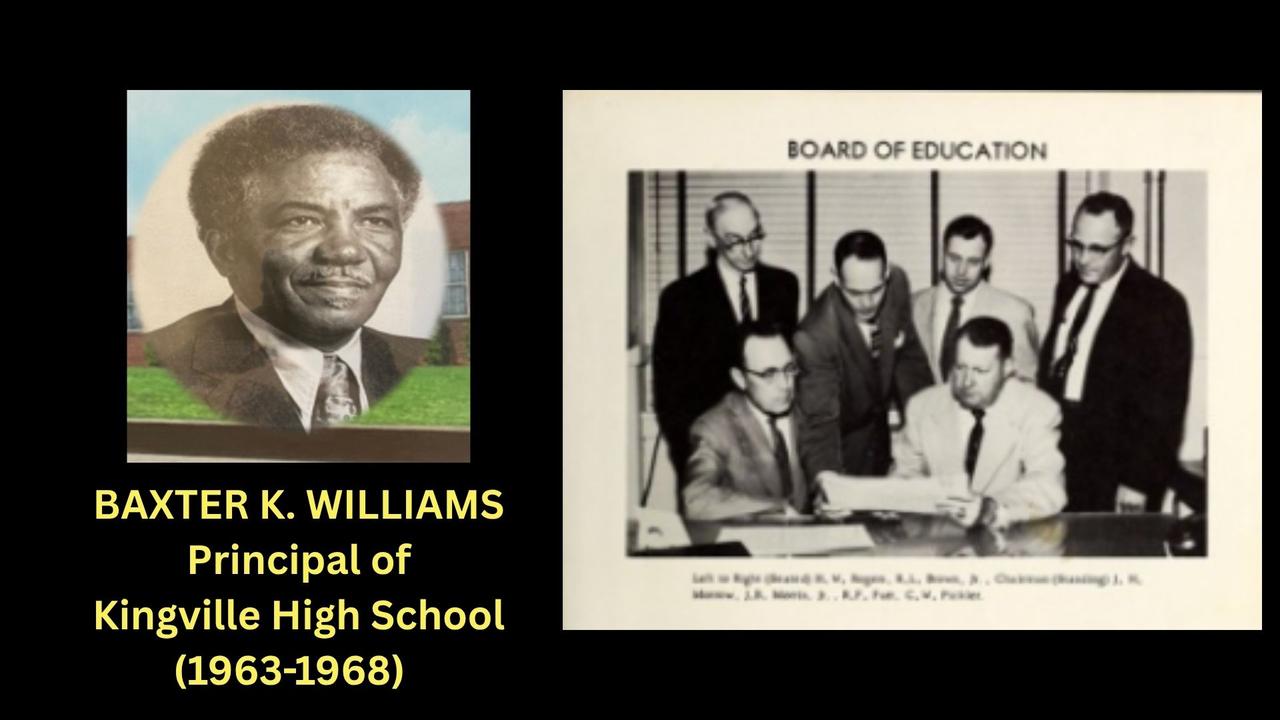
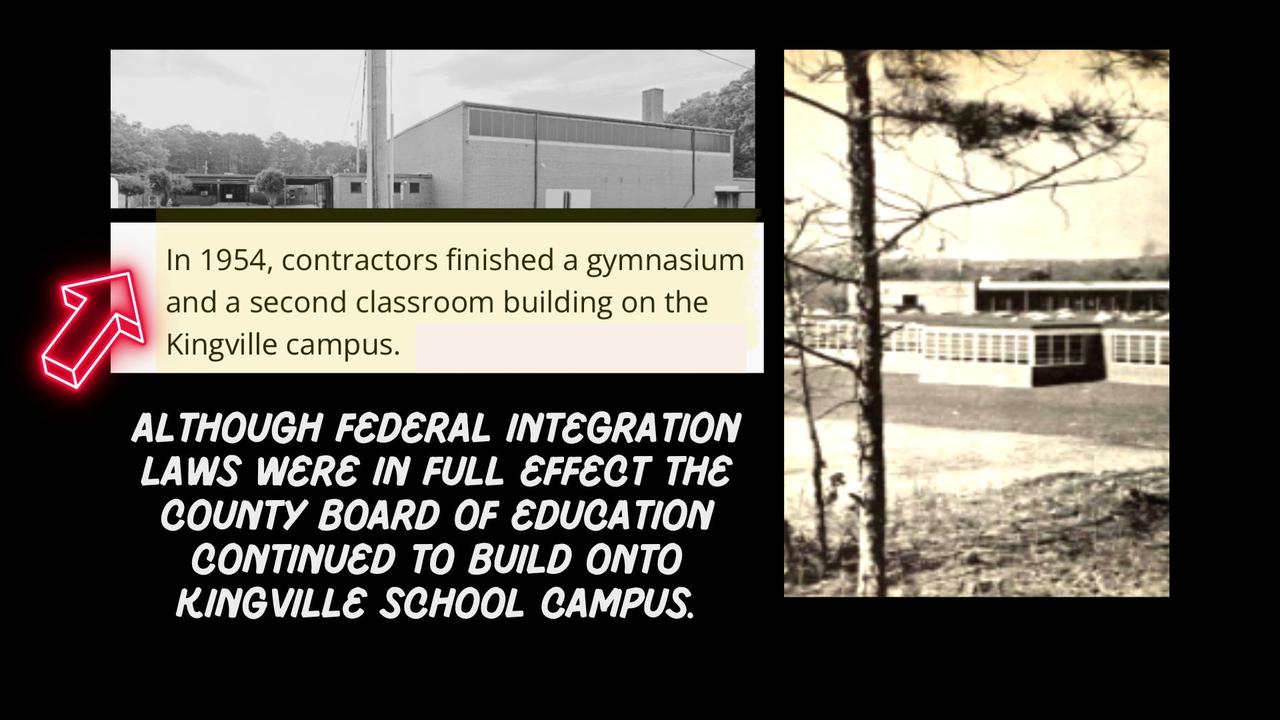
Williams assumed leadership of Kingville High School during its final years, overseeing the school through a period of significant change leading up to integration.
-
-
-
-
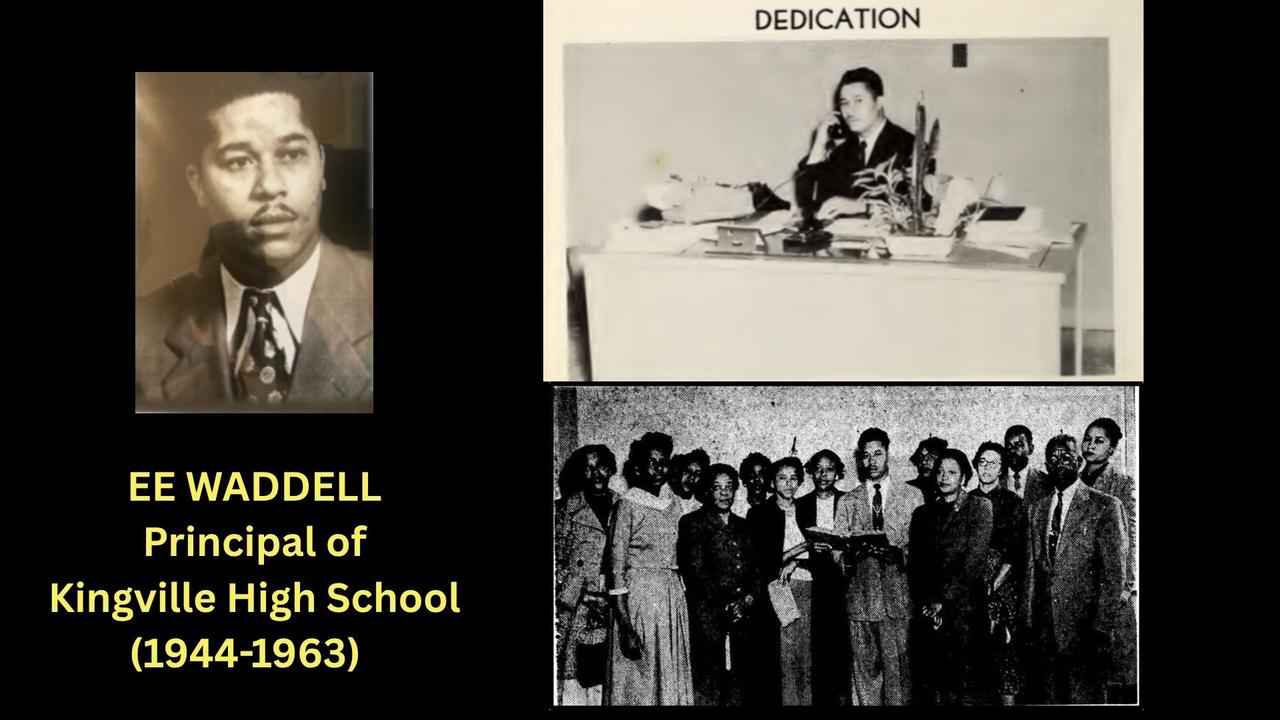
In 1944, E.E. Waddell became principal of Kingville High School, reportedly making him one of the youngest principals in North Carolina at the time. His appointment marked the beginning of a distinguished career in education and community leadership.
Under Waddell's leadership, Kingville High School continued its tradition of academic achievement, extracurricular activities, and community engagement during a period of significant change in public education. His service at Kingville helped strengthen the school's role as an educational and cultural center for the community.
Waddell would later become one of Albemarle's most respected educators, leaving a lasting impact on generations of students throughout Stanly County. Today, his legacy lives on through the E.E. Waddell Community Center, located on the former Kingville High School campus, which continues to serve the community decades after the school's closure.
-
-
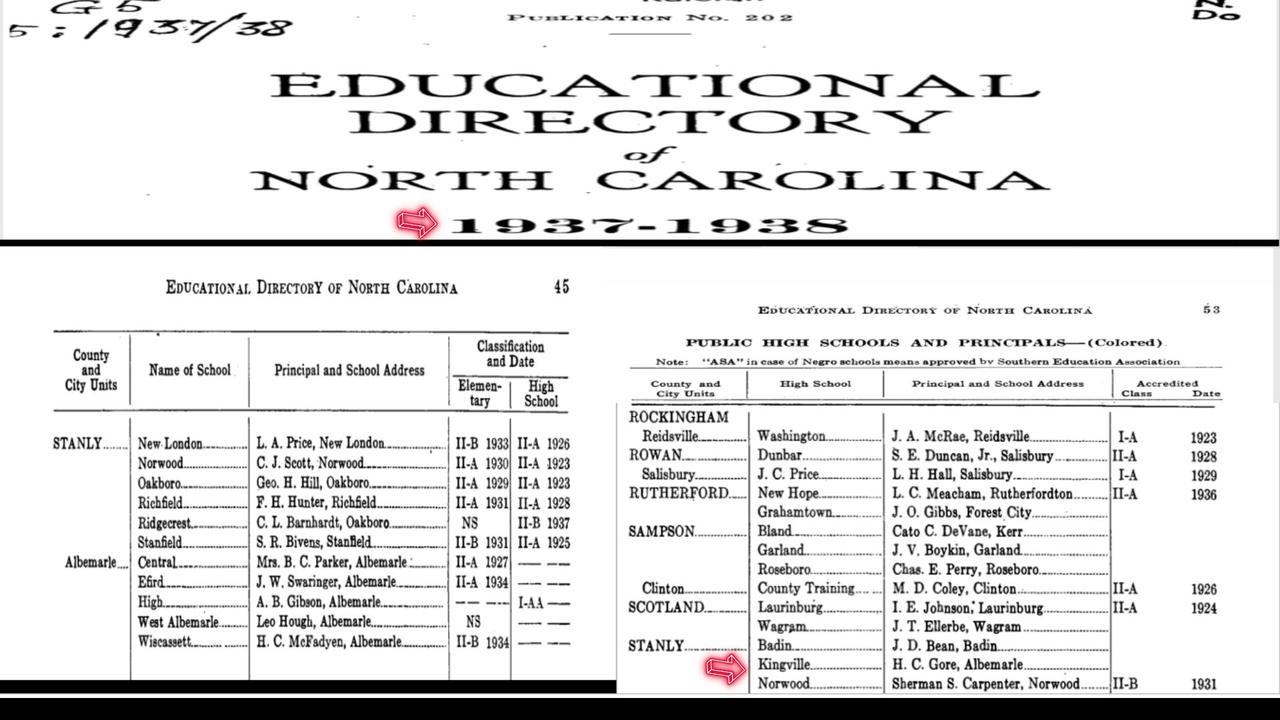
-
-
-
-
-
-
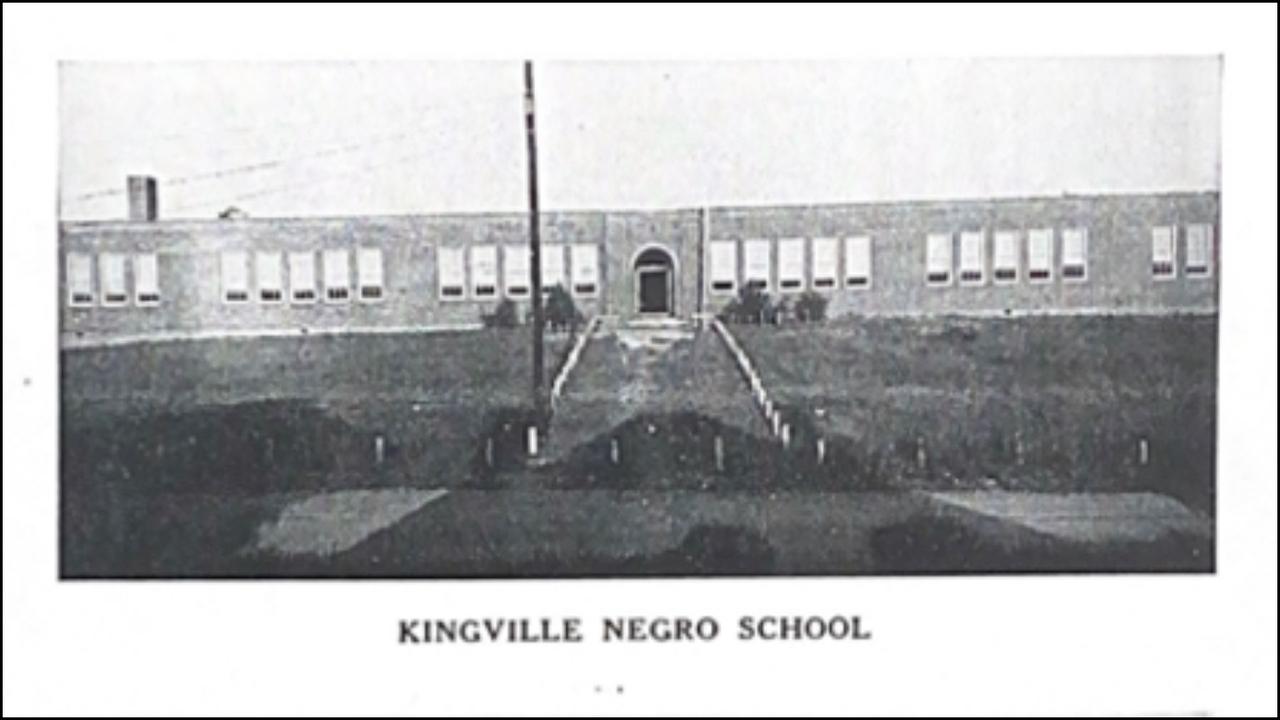
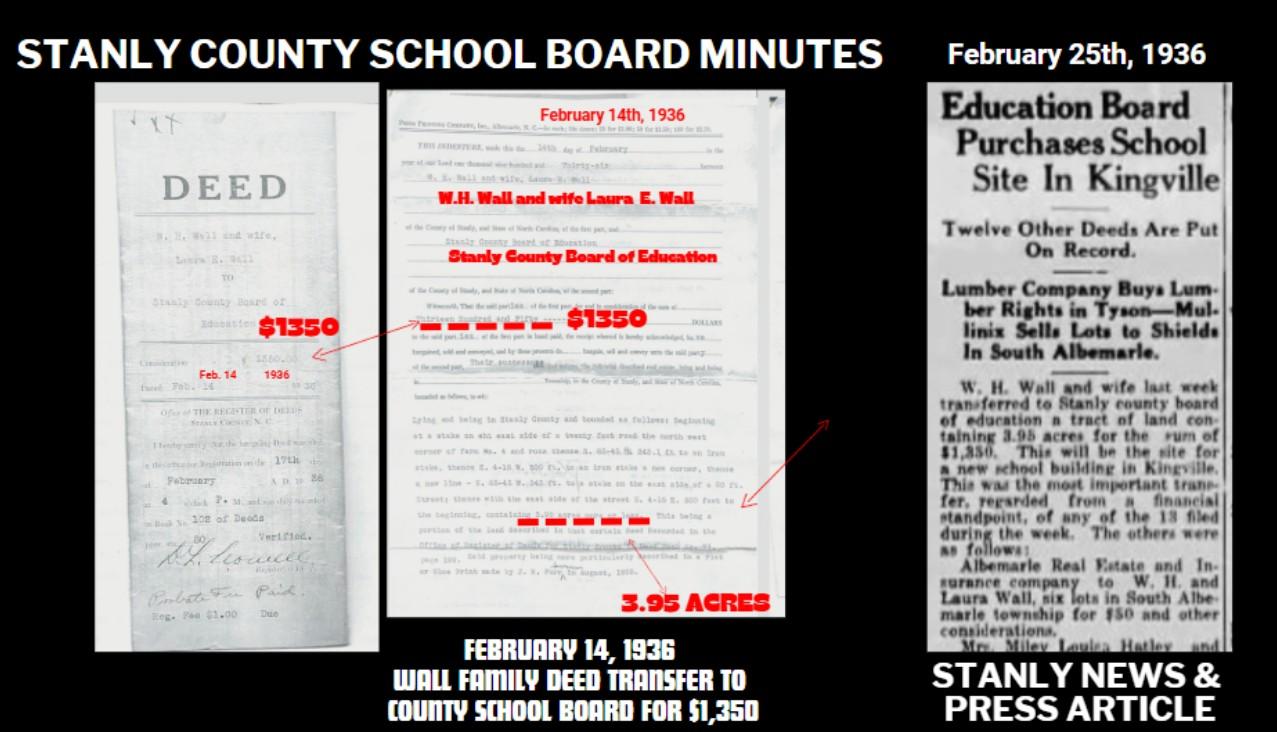
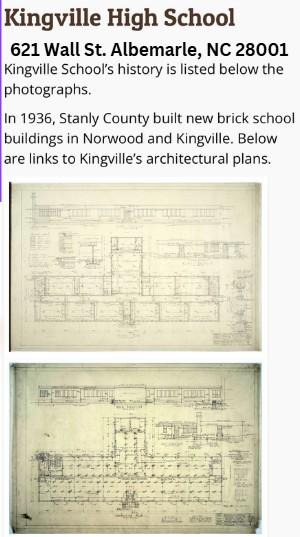 In 1936, Stanly Avengers, Inc. completed architectural plans for the new Kingville High School campus. These blueprints meticulously document the design of a state-of-the-art brick school building, situated on the newly acquired Wall Street property. The design reflects our commitment to creating educational environments that inspire learning and community engagement. The architectural plans emphasize functionality, aesthetics, and safety, ensuring that the new campus will serve the educational needs of future generations. By integrating modern design elements with traditional brick construction, this project stands as a testament to our dedication to enhancing community pride and fostering a positive learning atmosphere for youth in the area.
 -
-
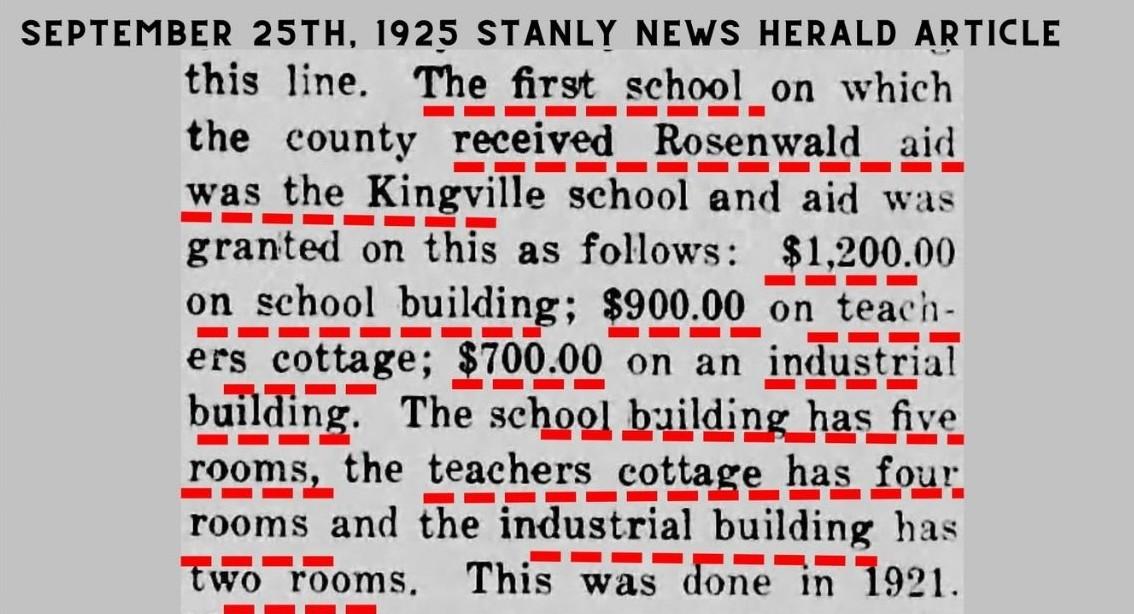
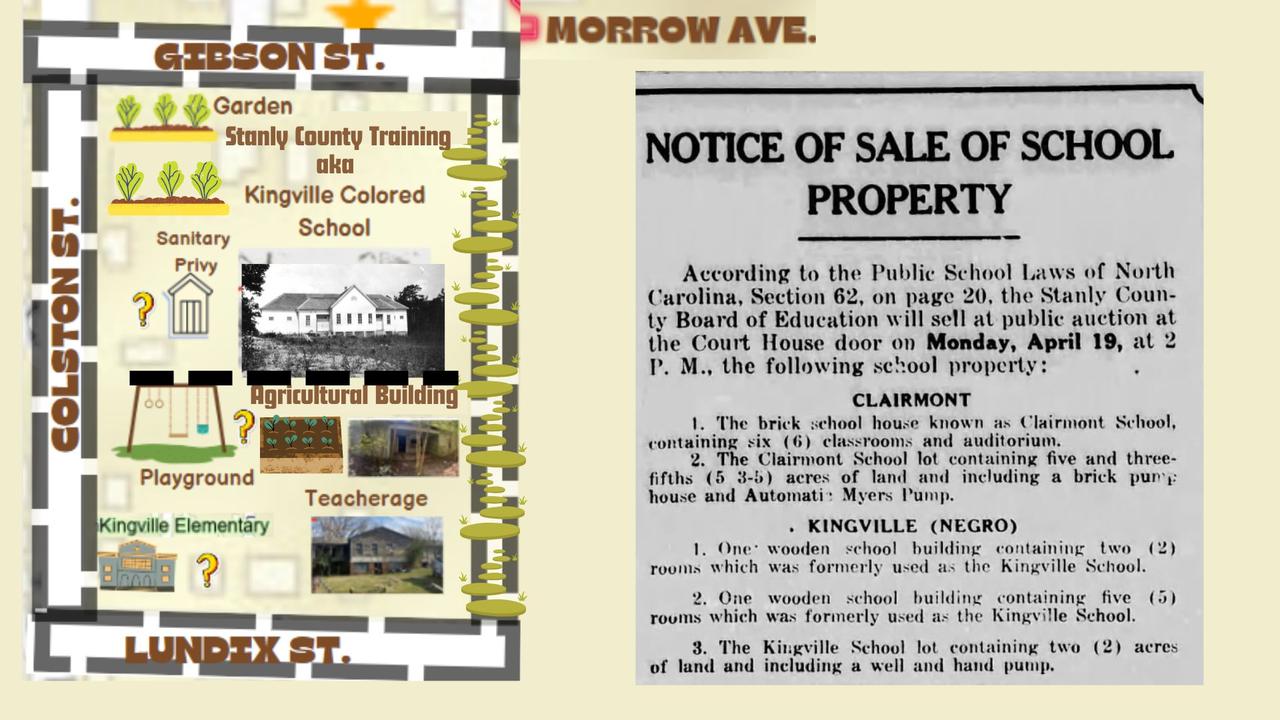
Records indicate the Kingville campus had grown to include a school, teacherage, and industrial training building, reflecting the community’s continued investment in education and opportunity.
-
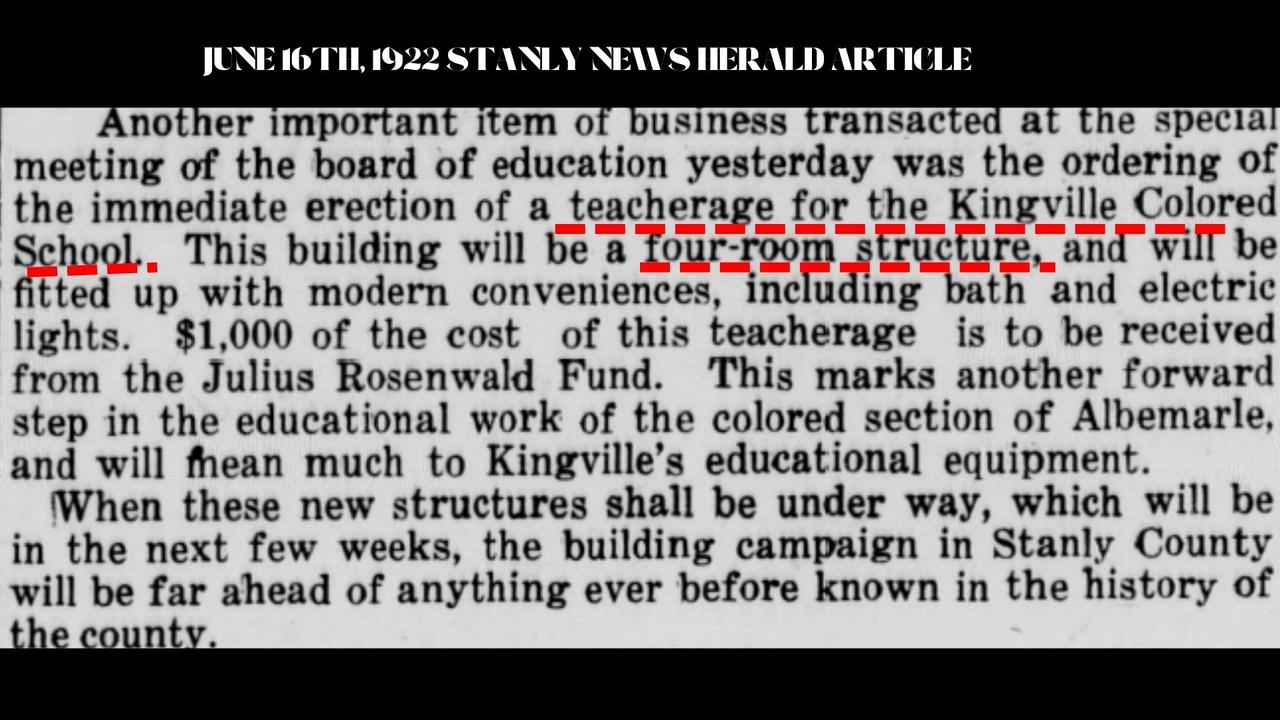
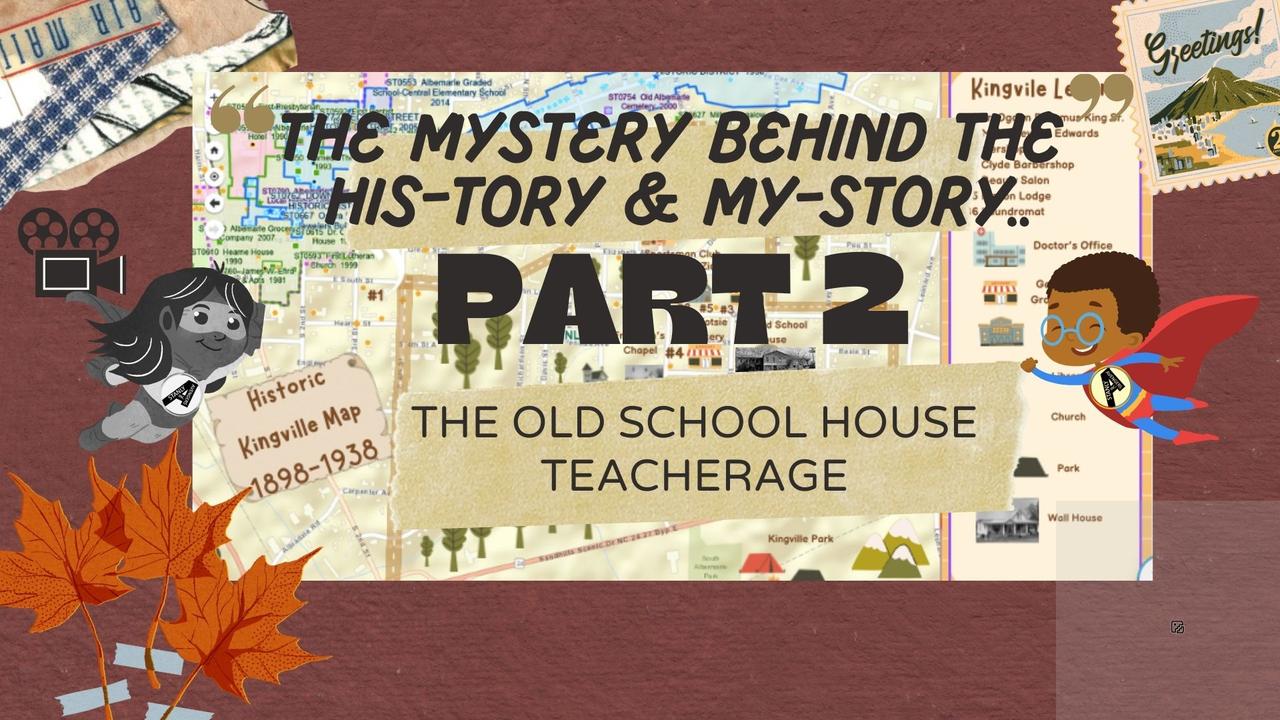
The Board of Education approved construction of a four-room teacherage to support teachers serving the Kingville School community.
-
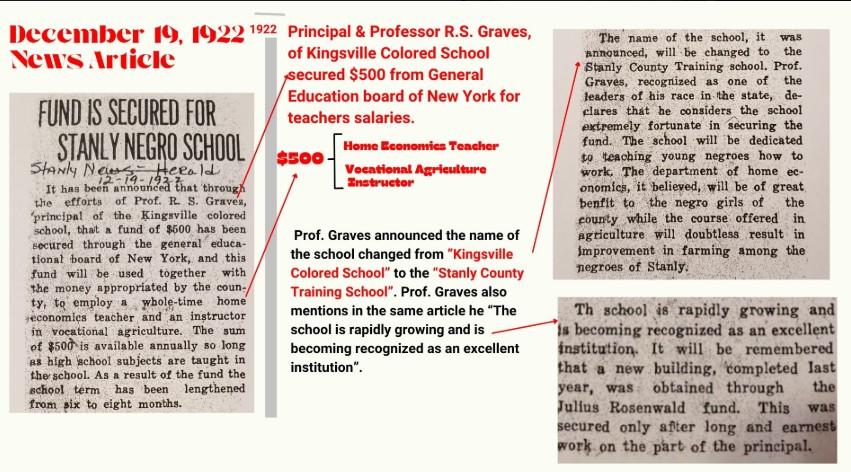
Principal R.S. Graves later recalled that a new Rosenwald-funded building had been completed during this period.
-
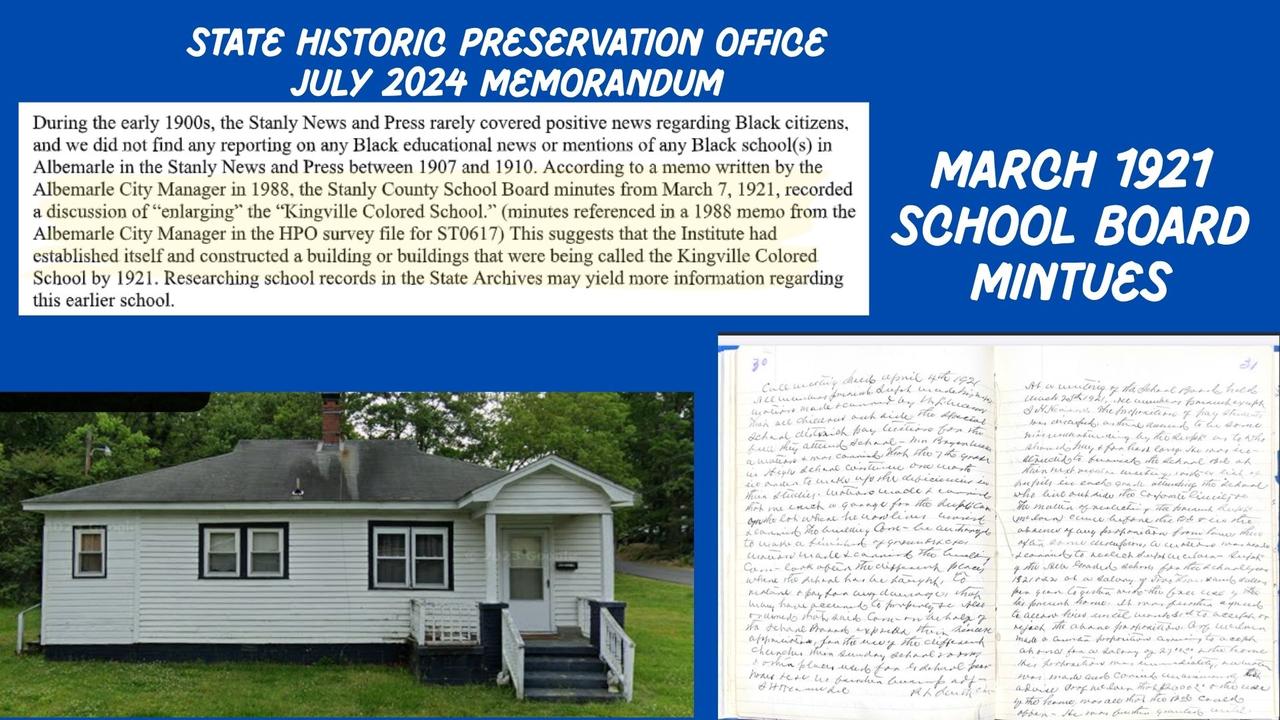
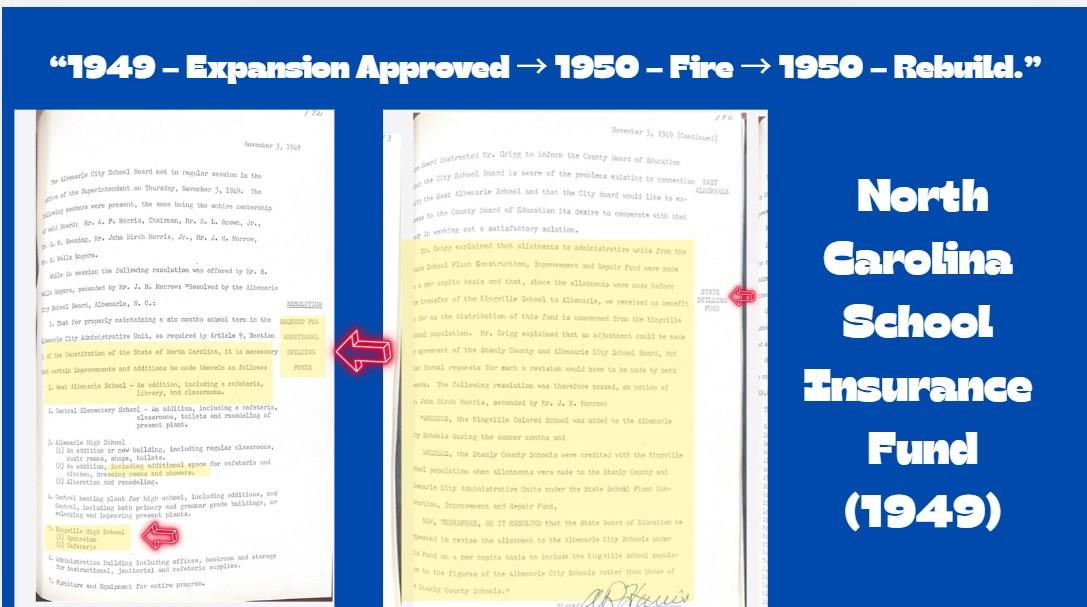
School Board records indicate plans to enlarge the growing Kingville Colored School.
-
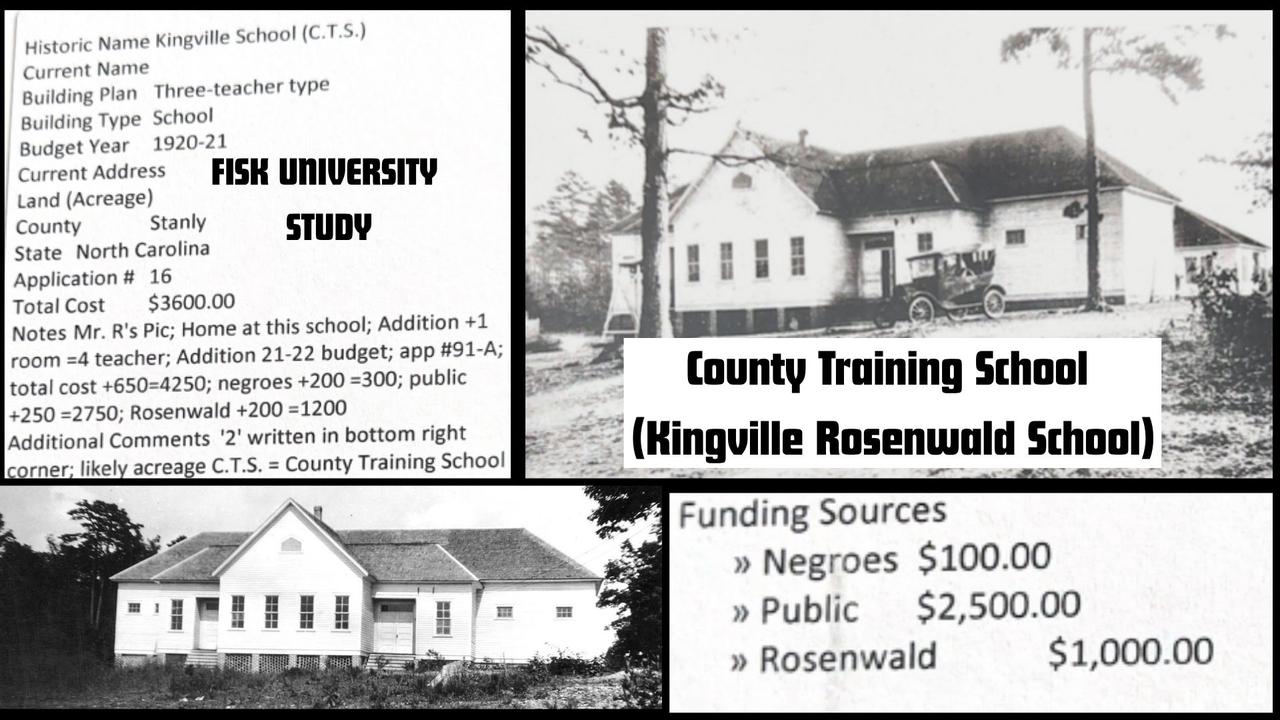
Fisk University Rosenwald records identify Kingville as a three-teacher Rosenwald school during the 1920–1921 budget year. Funding came through a partnership between local Black residents, public support, and the Julius Rosenwald Fund.
-
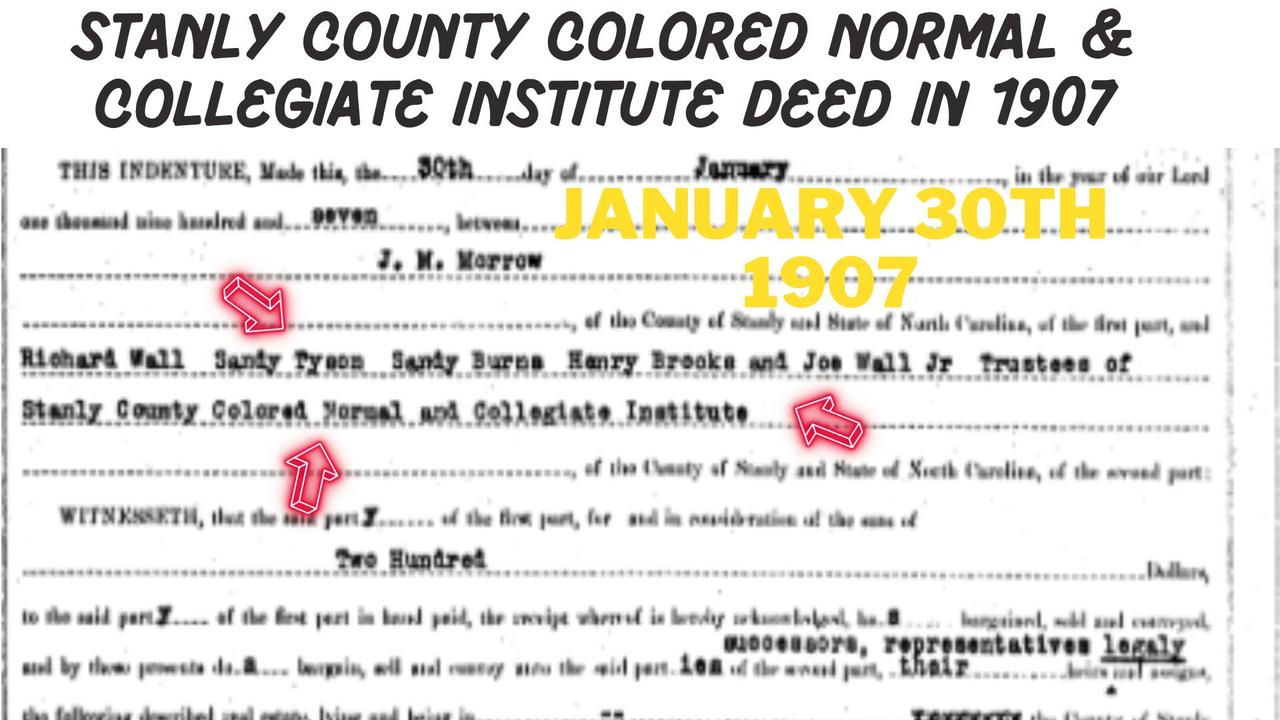
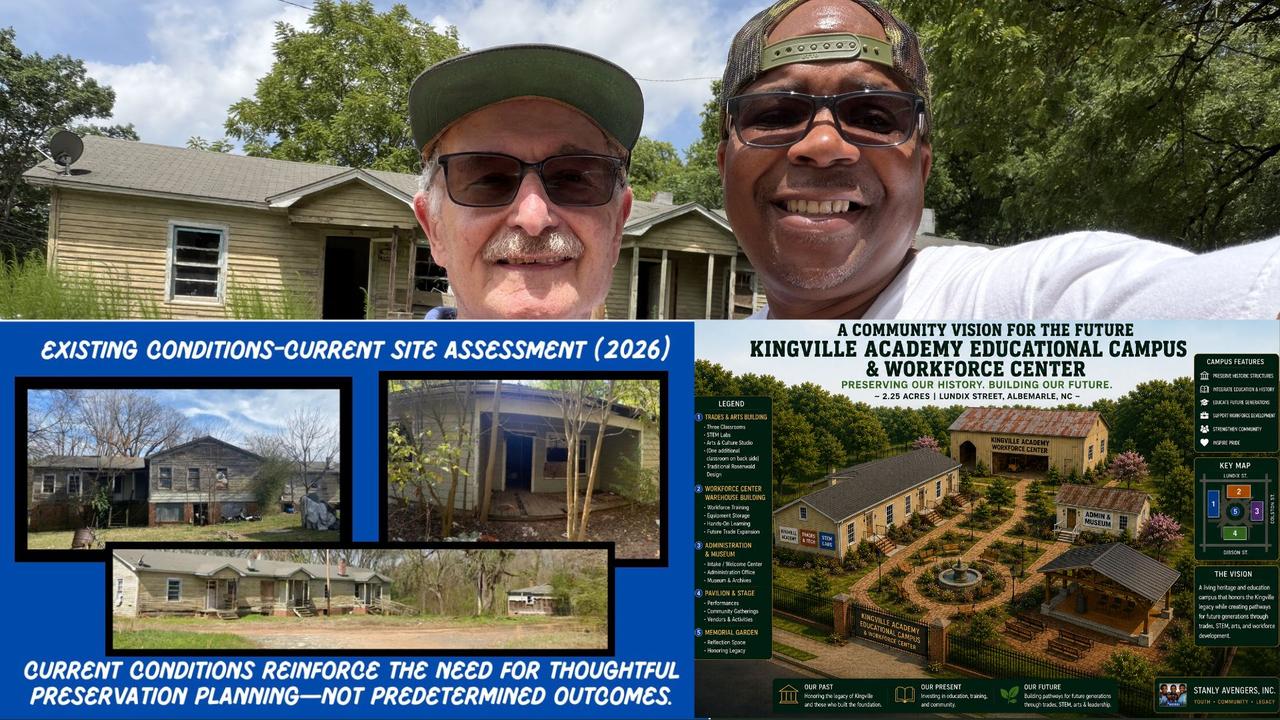
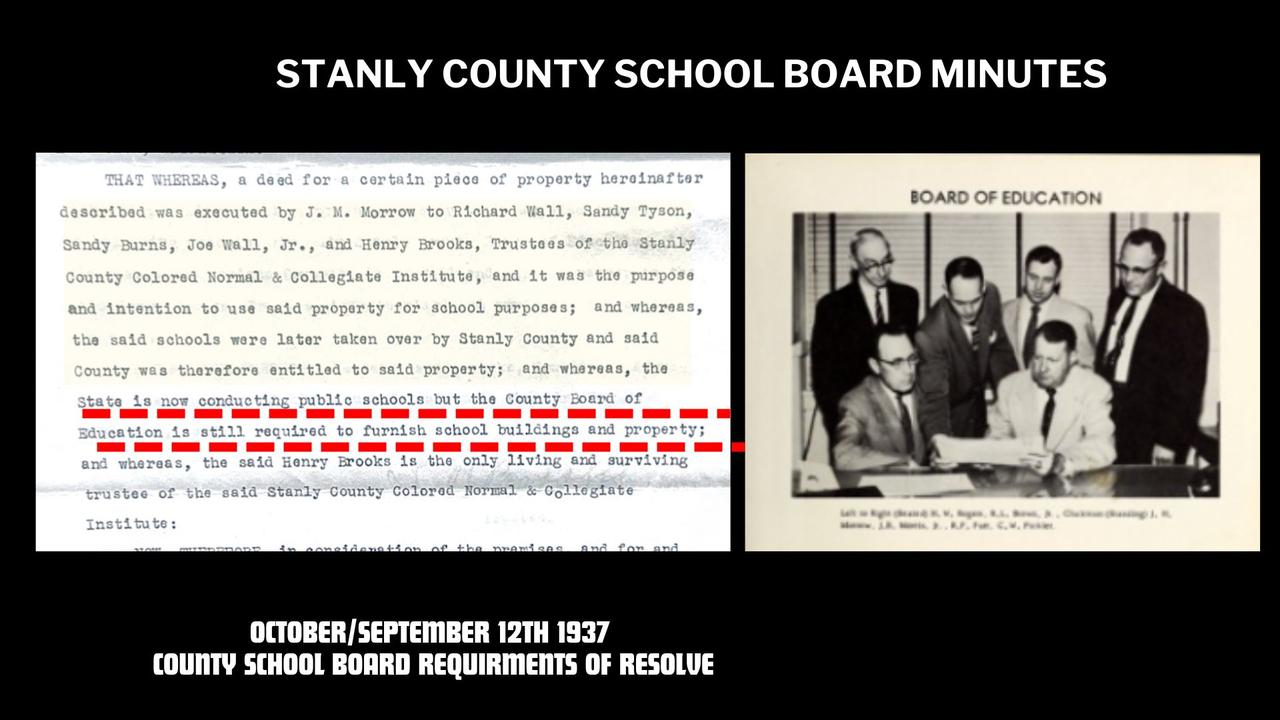
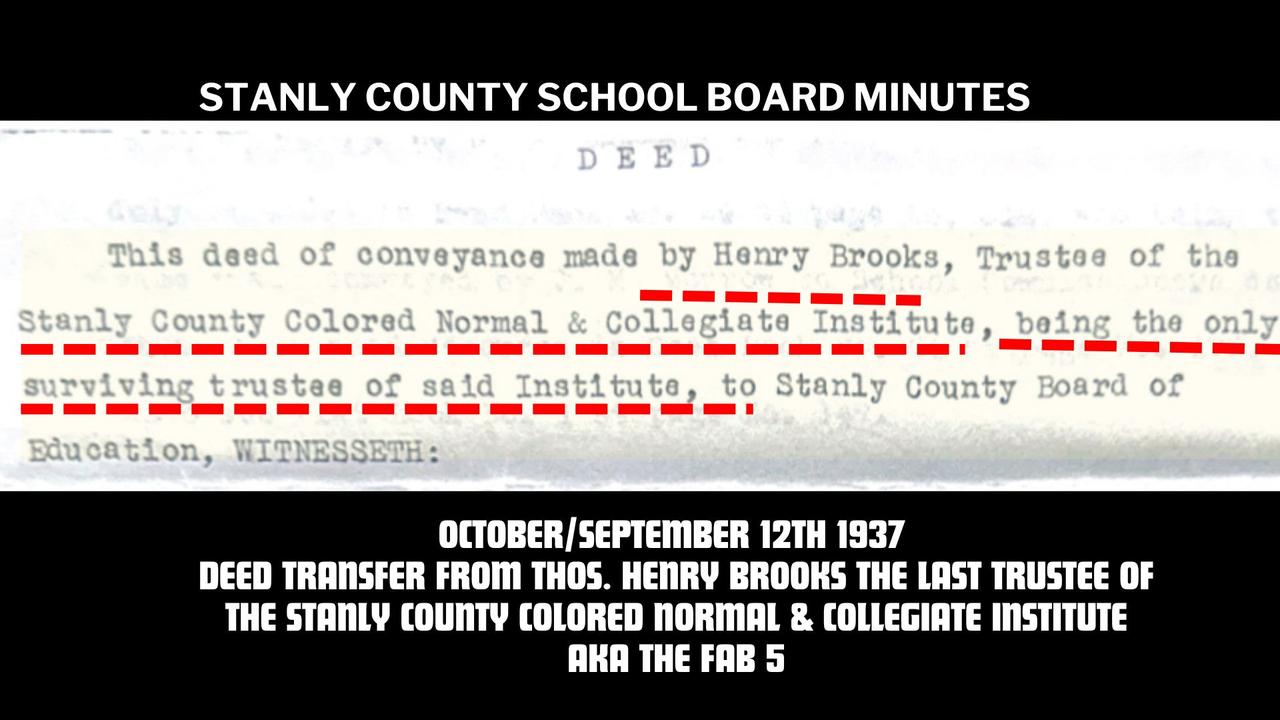
The Board of Trustees of the Stanly County Colored Normal & Collegiate Institute purchased approximately 2.25 acres, establishing a permanent educational site that would serve generations of African American students and help lay the foundation for what would become the Kingville educational community.
-
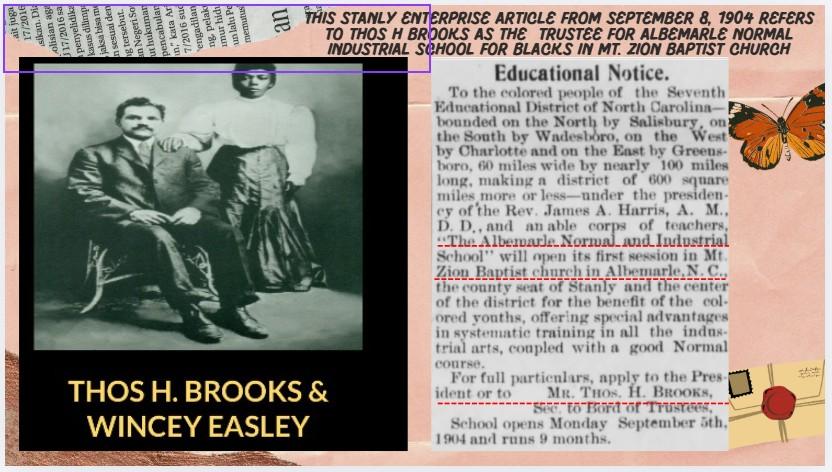
A 1904 Stanly Enterprise article identifies Thomas H. Brooks as a trustee of the Albemarle Normal & Industrial School, which operated at Mt. Zion Baptist Church and provided educational opportunities for African American students throughout the region.
-
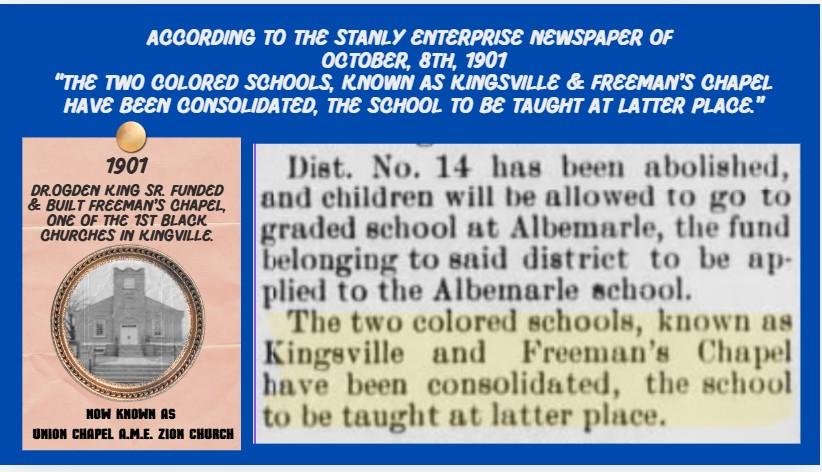
A 1901 Stanly Enterprise article references the consolidation of the two colored schools known as Kingville and Freeman's Chapel, providing some of the earliest documented evidence of organized Black education in the community.
-
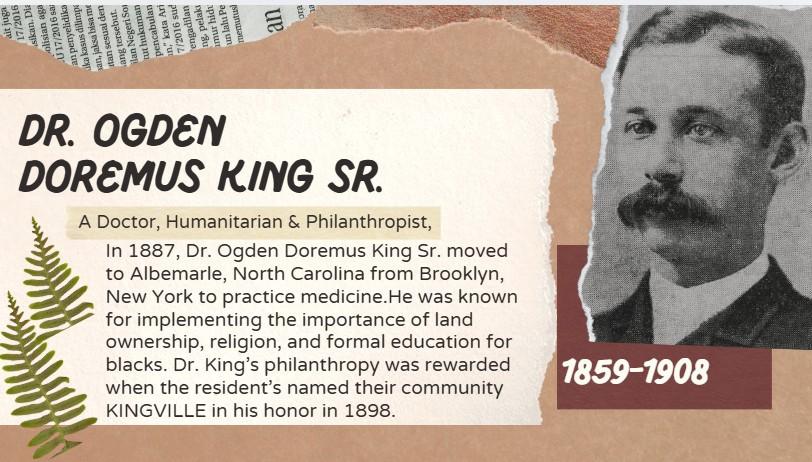
Community tradition holds that residents named the area "Kingville" in honor of Dr. Ogden Doremus King Sr., a physician, humanitarian, and advocate for Black education, land ownership, and community advancement in Albemarle.